Met Museum Exhibits: A Guide to Highlights
- Published
- Reading time
- 10 min read
- Prepared by
- LiteGallery editorial team
Updated: October 22, 2026
The Met Museum’s highlights span art from ancient civilisations to the present, including paintings, sculpture, decorative arts, and photography. This guide helps readers orient themselves among the museum’s exhibitions and collections and choose what to explore first.
The Met’s breadth is part of its appeal: works from different places and periods invite comparison, while temporary exhibitions offer another way into the collection.
| Option | Best suited to | Check before visiting |
|---|---|---|
| Temporary exhibition | A current themed show | Dates, location, entry rules |
| Permanent galleries | A period, culture, or medium | Gallery access and current displays |
| Met Fifth Avenue | The museum’s main Fifth Avenue location | Hours, admission, map |
| The Met Cloisters | Medieval art and architecture | Separate location, hours, directions |
- 2 locations Met Fifth Avenue and The Met Cloisters are separate destinations.
- 1 anchor exhibition A practical planning choice for keeping a museum visit focused.
- 3 checks Verify exhibition dates, visitor hours, and ticket instructions before setting out.
What can you see at the Met besides special exhibits?
The Metropolitan Museum of Art offers more than special exhibitions: visitors can explore permanent collection galleries alongside its temporary shows. The collection spans art from ancient cultures to modern periods, so a visit can include works from very different times and places.
Two locations, different collections
The Met Cloisters is a separate museum location focused on medieval art and architecture; it is distinct from the main museum’s galleries. Before visiting, check the Met’s current gallery information to see which rooms are open, since access can vary.
The Met Fifth Avenue stands on the edge of Central Park in Manhattan; The Met Cloisters is in Fort Tryon Park in northern Manhattan. Treat them as two separate trips when you plan a day.
Met exhibits: special, temporary and permanent — what’s the difference?
When people search for “Met exhibits” they usually mean one of three things, and each is planned differently:
- Special (temporary) exhibitions: loan shows and themed displays with fixed opening and closing dates. They are what the Met promotes on its Exhibitions page, and they are the part of a visit most likely to change from month to month.
- The Costume Institute’s spring exhibition: the Met’s best-known annual show opens each May, right after the Met Gala benefit that celebrates its opening.
- Permanent collection galleries: the collection itself — the Egyptian galleries with the Temple of Dendur, Greek and Roman art, the American Wing, European paintings and more. These are on view year-round, although individual rooms and works can be closed or rotated.
How to find the Met’s current exhibits
- Open the Exhibitions page on the Met’s official website and filter by location — The Met Fifth Avenue or The Met Cloisters — and by “current” or “upcoming”.
- Note each show’s closing date. A show that closes in the next few weeks is the one to prioritise; long-running displays can wait for a later visit.
- Write down the gallery numbers listed for the show, then find them on the museum map so you can plan a route through nearby permanent galleries.
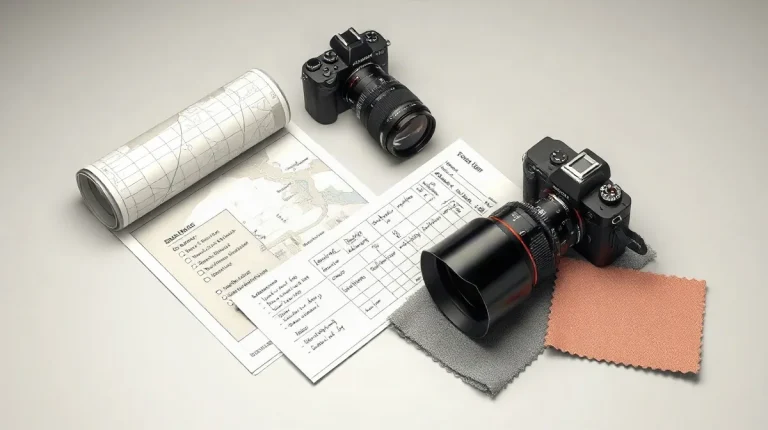
- Check whether the exhibition carries its own photography restriction before you pack a camera (see below).
One painting worth adding to any route
If you are interested in modern art, the Met holds Pablo Picasso’s portrait Gertrude Stein (1905–1906). Stein left it to the museum in 1946, and it was the first painting by Picasso to enter the Met’s collection. Check its current gallery on the collection page before you go, as gallery assignments change.
How should you choose among Met Museum exhibits?
Check before you go
Choose among Met Museum exhibits by checking the museum’s current exhibitions listing, selecting one special exhibition as your anchor, and verifying its visit details before you go. Temporary shows change, so an older guide may describe an exhibition that has already closed; the current listing is the practical starting point.
Compare the special exhibitions you are considering, then build a visit around one show and nearby permanent galleries rather than trying to cover the entire museum. For each option, check the Met’s official visitor pages for its dates, location, ticket requirements and any timed-entry instructions.
- Dates: Confirm that the exhibition is open on your intended visit day; temporary exhibitions may close while permanent galleries remain on view.
- Location: Check where each show is held, then choose nearby permanent galleries to make a manageable route.
- Entry: Verify whether a ticket or timed entry is required for the specific exhibition.
- Photography: Check the rules for both the exhibition and its galleries. Photography permissions can vary, so do not assume the same policy applies throughout the Met.
How can you plan a manageable Met visit?
Plan a manageable Met visit by choosing either The Met Fifth Avenue or The Met Cloisters, then pairing one special exhibition with a few nearby permanent galleries. These are distinct locations, not adjacent galleries in one building, so decide which site to visit before setting out.
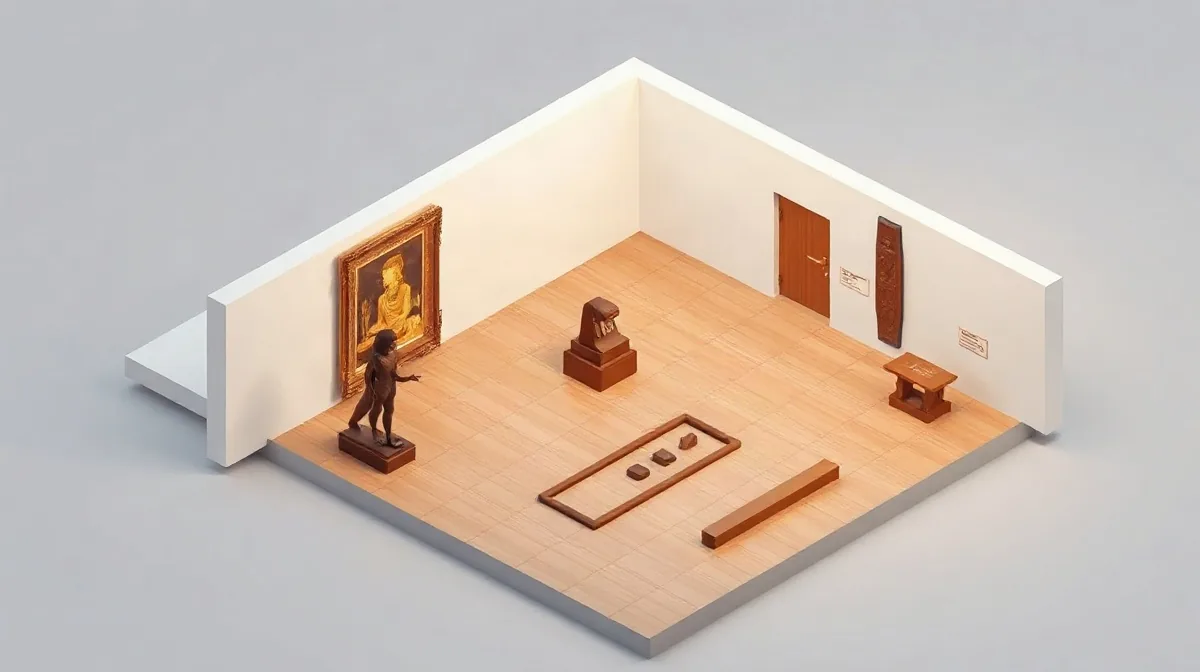
Use the museum map to keep the itinerary focused: find your chosen exhibition, then select permanent collection galleries in the same area. Set a short priority list of one exhibition and a few collection galleries; this gives you a clear route and leaves room for rest breaks instead of turning the visit into a race across the museum.
Before you go, confirm opening hours, admission details and access information directly with the museum, as these can change. Check the details for your chosen location—The Met Fifth Avenue or The Met Cloisters—rather than assuming that arrangements are the same at both sites.
Which permanent galleries make useful anchors?
Choose by period or medium
The Temple of Dendur, in the Met’s Egyptian art galleries, is a useful permanent-gallery anchor for visitors interested in ancient architecture. For a different period and visual language, continue to the museum’s Greek and Roman art galleries.
- Ancient Egypt: The Temple of Dendur gives the Egyptian galleries a specific architectural destination.
- Greek and Roman art: These galleries offer a distinct alternative to the Egyptian collection, rather than a continuation of its visual language.
- American art and design: The American Wing provides a route through American art and decorative arts.
Plan around the current display
The American Wing can pair with a temporary exhibition when the locations fit your route; check where both are before building them into one visit. Gallery displays can change, so consult the Met’s current collection and map pages to confirm what is on view and where, rather than assuming a particular work is displayed.
When can a Met visit plan go wrong?
A Met Museum visit plan can go wrong when it relies on an old exhibition listing, underestimates the journey between sites, or treats photography and entry rules as universal. Before travelling, check that each show is still open and confirm its closing date; a past listing does not establish that an exhibition is currently on view.
The Met Fifth Avenue and The Met Cloisters are separate destinations, so planning both for one day without checking the travel time can leave too little time at either. Choose one as the day’s main destination, or build the journey between them into the schedule rather than assuming they are next door.
Check rules and narrow the list
Photography permissions can vary by gallery, and special exhibitions may have different entry arrangements, so check the rules for the specific galleries and show you intend to visit. A list of famous works is also a poor route through a large museum if it ignores where those works are displayed.
- For a focused visit: choose works by location, then add pieces that match your interests.
- For an exhibition-led visit: confirm its closing date and entry arrangements before setting out.
Tickets and photography rules at the Met
| Visitor | General admission |
|---|---|
| Adults | $30 |
| Seniors (65 and over) | $22 |
| Students | $17 |
| New York State residents | Pay what you wish (minimum $0.01 per ticket), with proof of residency |
Pay-what-you-wish for New York State residents dates from a March 2018 change; buying such tickets online requires a New York State billing address. Accepted proof of residency at the museum includes a New York State driver’s licence or ID card, IDNYC, a current bill with a New York State address, a student ID or a New York library card.
Can you take photos at the Met?
Yes, with limits. Under the Met’s photo and video policy, still photography for private, non-commercial use is allowed in the permanent-collection galleries. Areas marked “No Photography” — which can include special exhibitions and works on loan — are exceptions. Selfie sticks, tripods, monopods and drones are not allowed without advance approval, and the museum can withdraw permission at its discretion.
Photographing art at the Met: practical camera tips
- Leave the flash off. Gallery light is low but even; raise ISO instead and rely on in-body or lens stabilisation.
- Use a fast lens. A 35 mm or 50 mm prime at f/1.8–f/2.8 lets you keep shutter speeds of around 1/60 s or faster handheld.
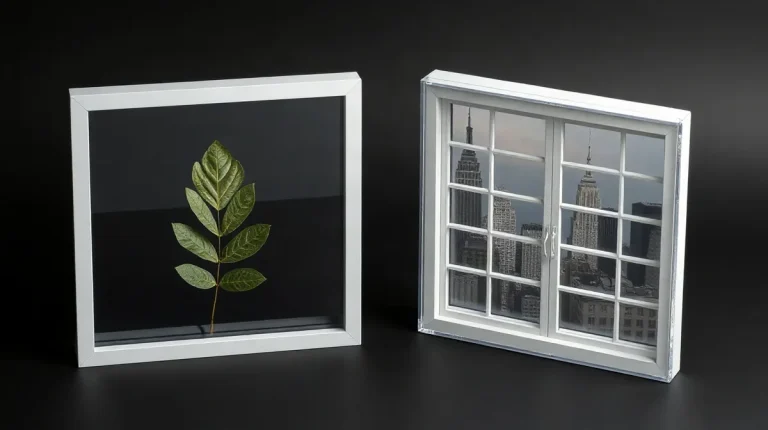
- Beat reflections on glass cases. Bring the lens close to the glass (a soft rubber lens hood helps) and shoot at a slight angle so your own reflection and ceiling lights fall outside the frame.
- Set white balance for the room. Gallery lighting can be warm; shoot RAW, or set a custom white balance from a neutral wall, so paintings keep their real colours.
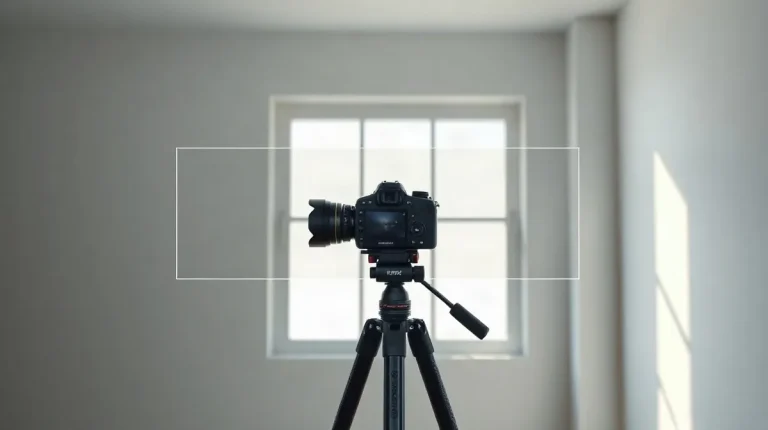
- Shoot straight-on for paintings. Stand centred on the work and keep the camera parallel to it to avoid keystoning; step back rather than tilting.
- Mind other visitors. Take your frame and move on — blocking a popular work for long sequences is the quickest way to annoy guards and visitors alike.
What should you verify before leaving for the museum?
Before leaving for the Metropolitan Museum of Art, verify the exhibition’s title, dates and gallery location on the Met’s current website, then check its hours, admission terms and ticket requirements. Exhibition details and entry conditions can change, so use the museum’s own listings rather than relying on an old itinerary or saved search result.
For each Met exhibition on your plan, check whether admission includes entry or whether the show requires a separate or timed ticket. Review the current photography and bag policies before packing camera equipment; do not assume that a camera or a particular bag size is permitted. These checks help you avoid arriving with the wrong ticket or equipment for the galleries you intend to visit.
Save the Met’s museum map before you go and match the exhibition’s listed gallery location to the entrance that suits your route. Keep the exhibition title, dates and gallery location together in your notes: those three details make it easier to confirm that the show is still on view and find it once inside.
Frequently asked questions
Does the Met have both special exhibits and permanent galleries?
Are The Met Cloisters and the Met Fifth Avenue the same location?
Can I photograph Met Museum exhibits?
How do I avoid trying to see too much in one visit?
How long should I plan to spend at the Met to see the highlights?
Where can I find the Met’s current and temporary exhibits?
How much does a ticket to the Met cost?
Key takeaways
- Met Museum exhibits include temporary shows and permanent collection galleries.
- The Met Fifth Avenue and The Met Cloisters are separate locations.
- Verify exhibition dates, hours, and ticket instructions before travelling.
- Build a route around one exhibition and nearby galleries rather than trying to see everything.