Why Camera Autofocus Misses in Low Light
Low light gives autofocus less contrast to detect, but blur can also come from movement, a wide aperture or an assist-beam problem. Diagnose the cue first.
LiteGallery / 18 guides · newest first
What a camera, lens or mode really changes in the picture.
Low light gives autofocus less contrast to detect, but blur can also come from movement, a wide aperture or an assist-beam problem. Diagnose the cue first.
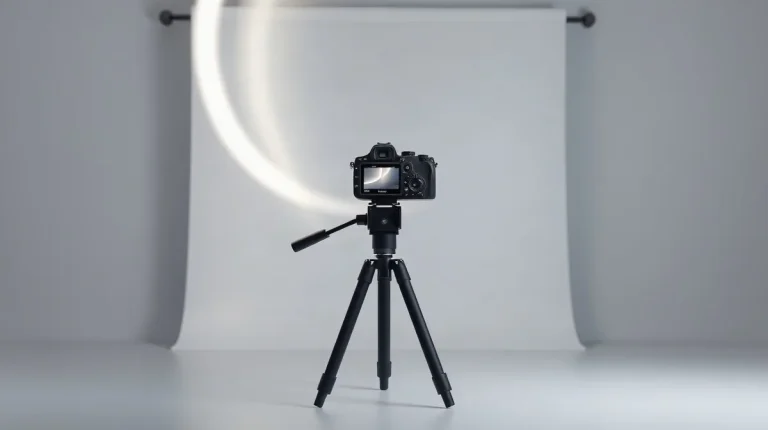
Long exposure photography turns movement into deliberate blur. Learn when it suits headshots and how to balance shutter speed, stability and light.
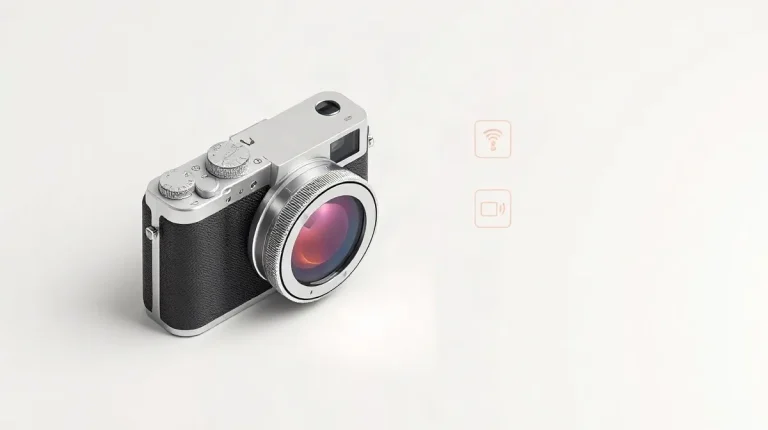
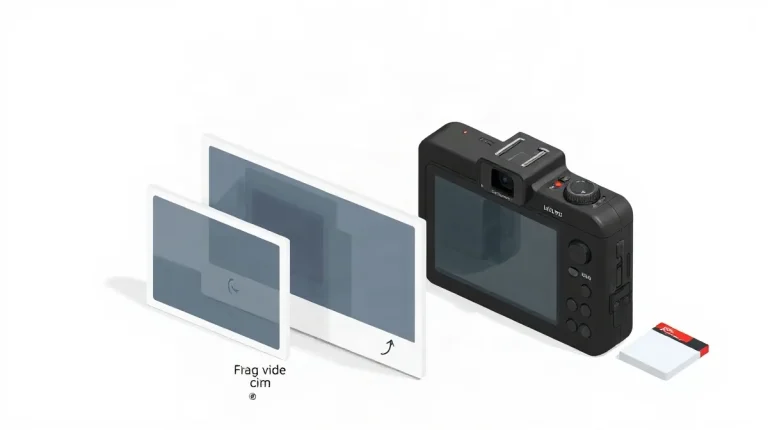
A point-and-shoot digital camera pairs a fixed lens with simple controls. Learn how sensor size, zoom, autofocus and durability shape your choice.
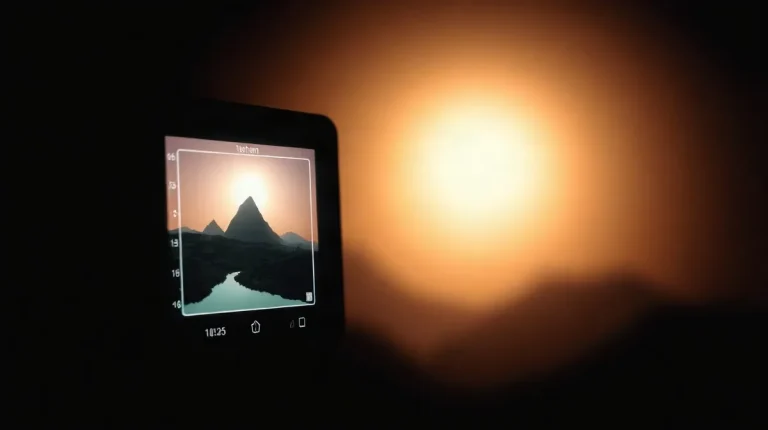
Read the histogram with the preview: edge contact can flag clipping, while a left-heavy graph may simply describe a dark scene.
Double exposure photography can happen in-camera or in an editing app: compare alignment, exposure control and subject choice before choosing a workflow.
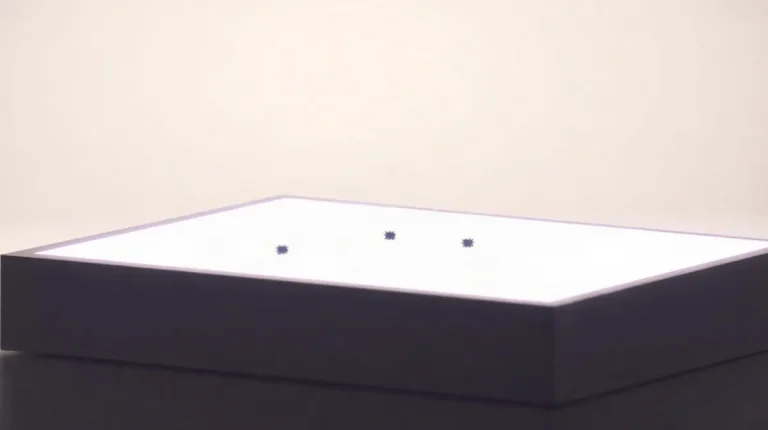
Dust often becomes visible against a bright, even frame at f/16 or f/22. Learn how to check for sensor spots and tell them from scene or lens marks.
Compare 4K, 2.7K and 1080p action-camera modes by detail, frame rate, crop and editing load. Choose a setting that fits your footage and delivery.
30 or 40 megapixels can make large prints when viewing distance, crop and image quality fit the job. See what 300 DPI really demands.
Double exposure photography combines two images in one frame. Learn when to expose in camera, when to layer digitally, and how to keep your subject clear.
Megapixels set the image’s pixel count; sensor area affects how much light the camera can collect. Lens quality and viewing size set further limits.
A photography portal can help you judge image quality, autofocus and handling—then match review findings to your subjects, workflow and budget.
Compare adventure filming camera resolution options by scene: 4K at 30 or 60fps suits travel and snow, while 1080HD can ease editing.
We use cookies for analytics to understand how visitors use the site. Accept, reject, or choose which categories to allow.